Healthy, Glowing Skin Starts Here.
Simple, science-backed skin care tips and routines you can actually stick to. Welcome to thedermameter.com — your everyday guide to better skin.
Simple, science-backed skin care tips and routines you can actually stick to. Welcome to thedermameter.com — your everyday guide to better skin.
Small daily habits make the biggest difference. Start with these proven basics.
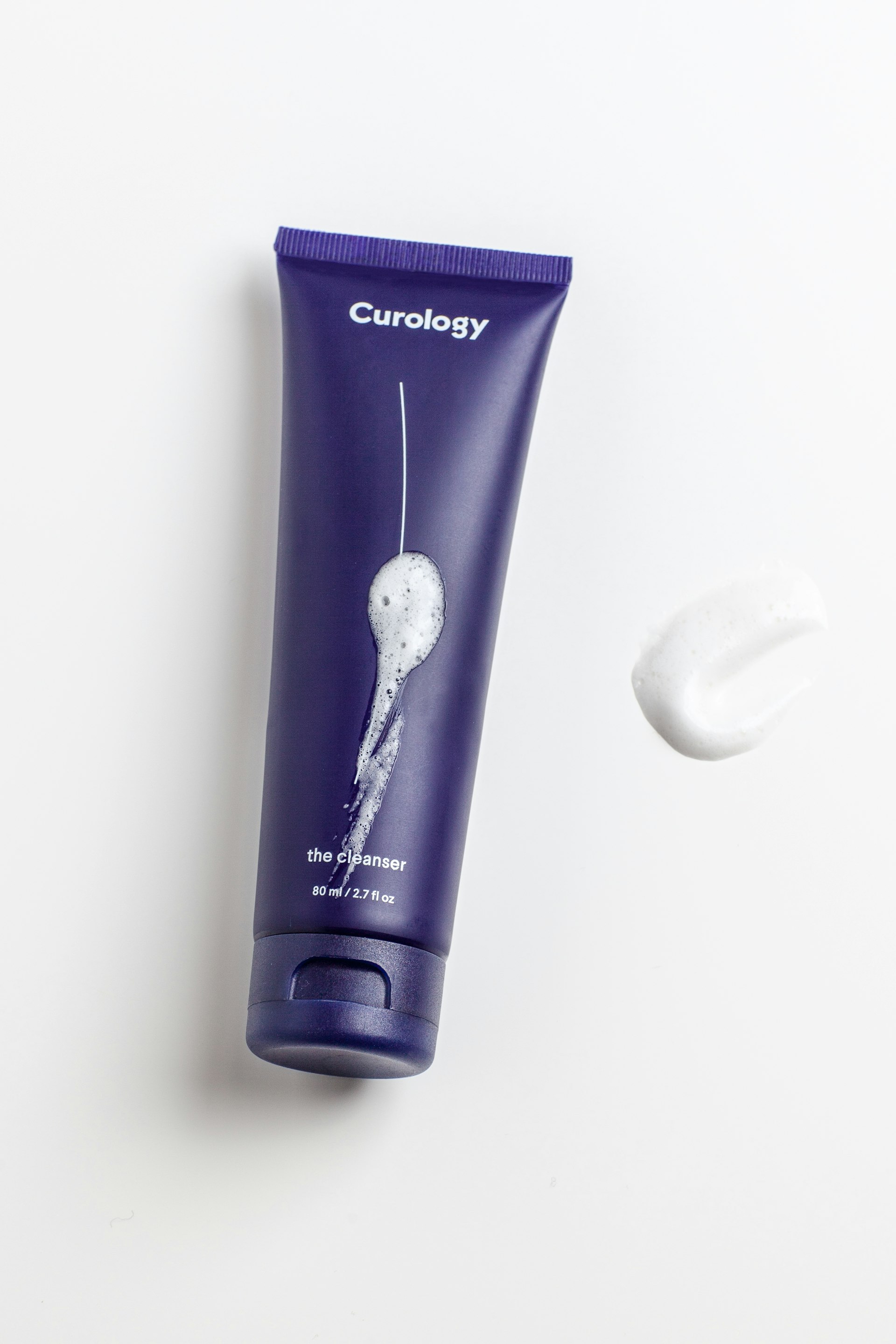
Use a mild, pH-balanced cleanser twice a day. Avoid hot water and harsh scrubbing — they strip your skin's protective barrier.
SPF 30+ broad-spectrum sunscreen is the single most effective anti-aging step you can take — yes, even indoors and on cloudy days.
Drink water consistently and apply moisturizer to damp skin to lock in hydration. Look for ingredients like hyaluronic acid and glycerin.
Skin repairs itself overnight. Aim for 7–9 hours and try a silk pillowcase to reduce friction, creases and irritation.
Antioxidants, omega-3s and vitamin C help fight inflammation. Think berries, leafy greens, fatty fish, nuts and citrus.
Avoid touching or picking at your face. It transfers bacteria, worsens breakouts and can leave long-lasting marks and scars.
You don't need a 10-product shelf. A consistent, simple routine beats a complicated one every time.
Gentle cleanser, morning and night.
Targeted serum (vitamin C in the morning, retinoids at night).
Lock in hydration with a moisturizer suited to your skin type.
Finish your morning routine with SPF 30+ sunscreen. Always.
Choosing products that match your skin type is half the battle.
A short cheat sheet for reading product labels with confidence.
A hydration magnet — pulls moisture into the skin for a plumper feel.
Calms redness, refines pores and supports the skin barrier.
Brightens dull skin and helps protect against environmental damage.
Boosts cell turnover, softens fine lines — start low and slow.
Clears pores and reduces breakouts in oily and acne-prone skin.
Strengthen the skin barrier and lock in essential moisture.
Support collagen and help skin look firmer over time.
A mineral sunscreen filter that shields against UVA and UVB.
Skin renews on a roughly 4–6 week cycle, so give any new routine at least 6–8 weeks before judging results — unless you have irritation, in which case stop right away.
UVA rays pass through windows and contribute to aging and pigmentation. If you sit near a window or step outside during the day, daily SPF is worth the habit.
Yes, but most people get better results using vitamin C in the morning and retinol at night to minimize potential irritation.
Not at all. What matters is the formula, the ingredient concentrations and how well it suits your skin — not the price tag.